
Natural Latex vs Memory Foam Mattresses: 5 Key Differences
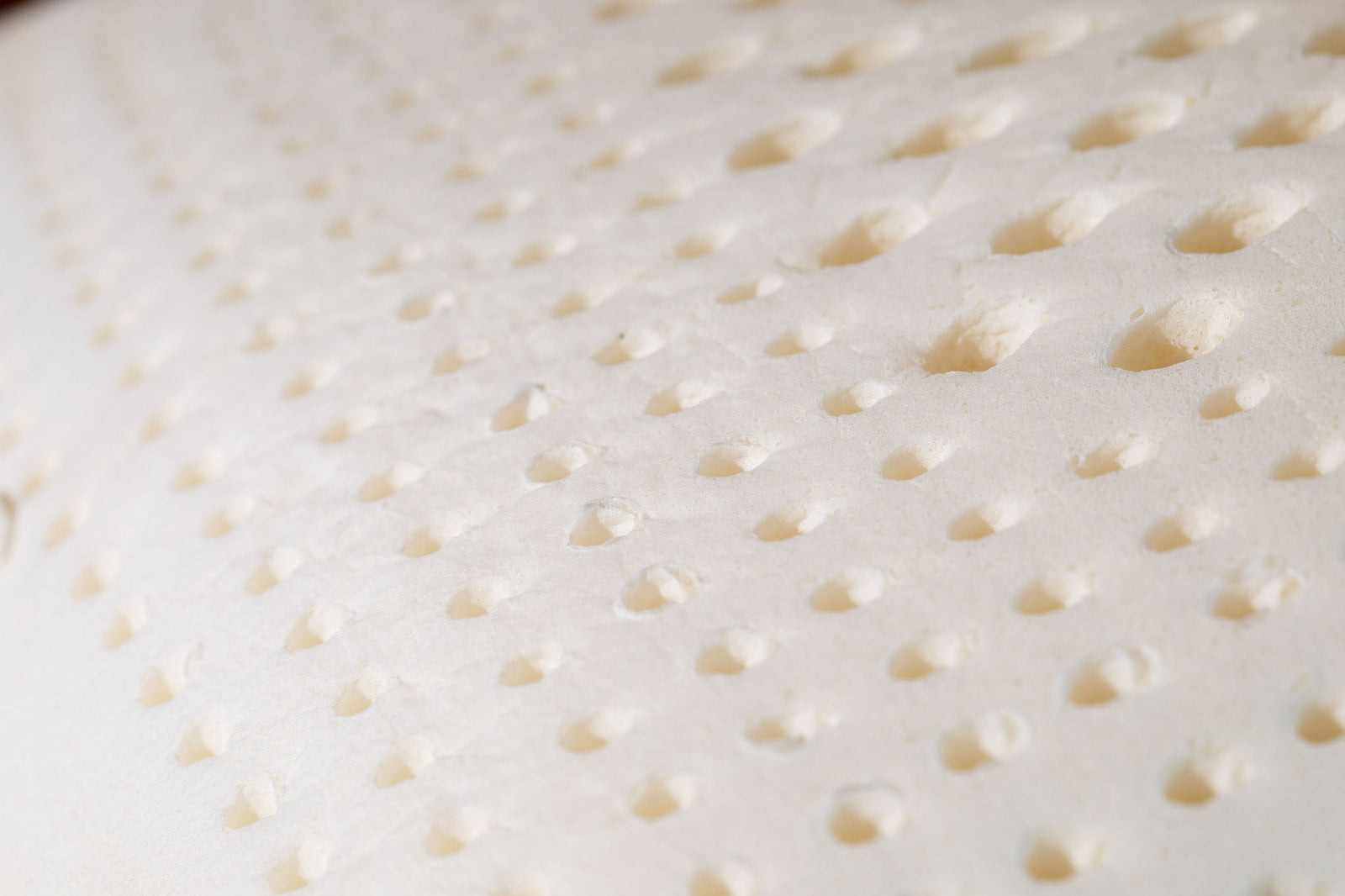
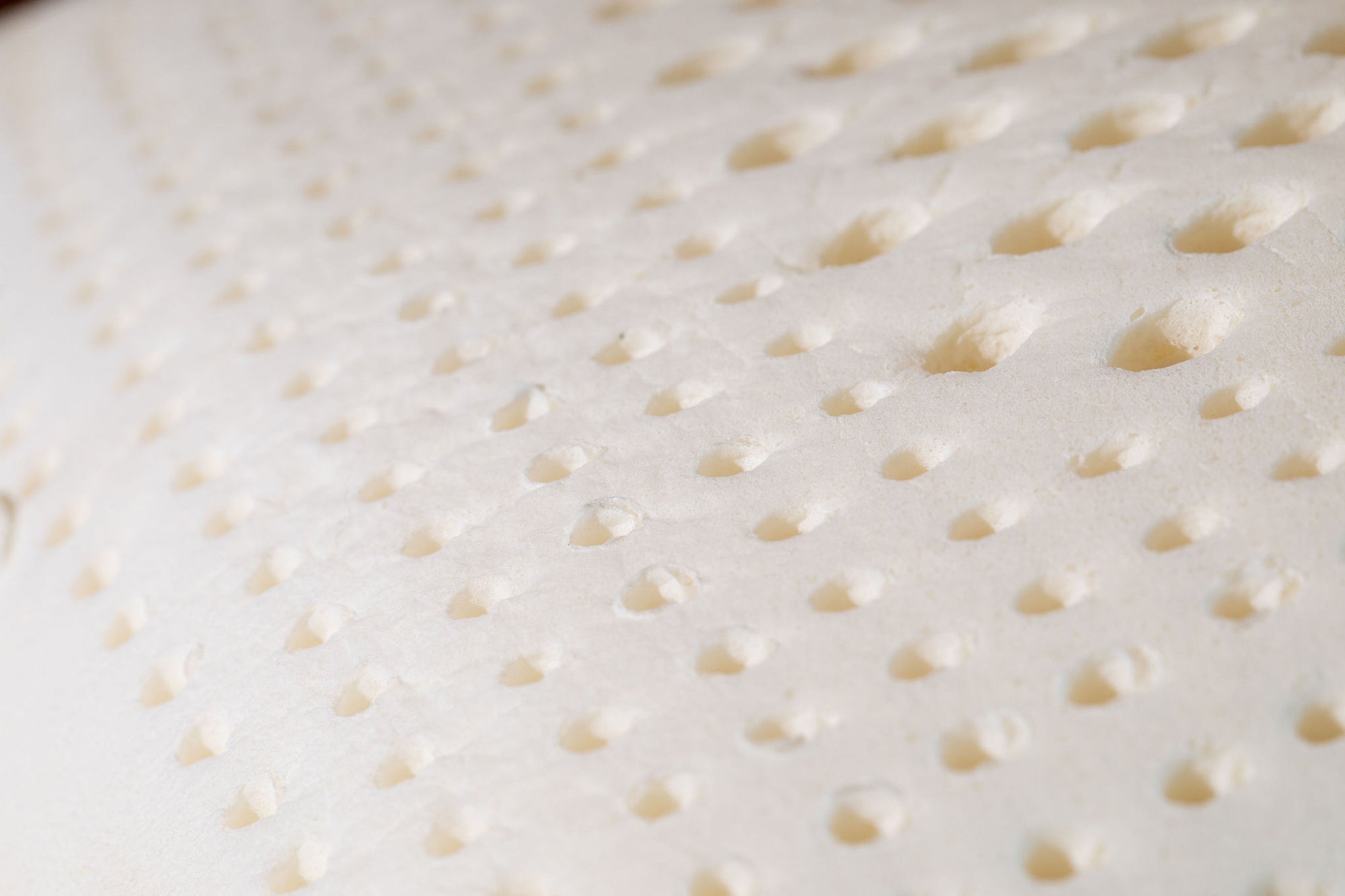
When it comes to choosing the perfect mattress, the decision often boils down to the material. Latex and memory foam are two popular options, but there are some major differences between them. Let’s delve into the differences between latex and memory foam mattresses and explore why latex emerges as the superior choice for better bedding.

What is Natural Latex?
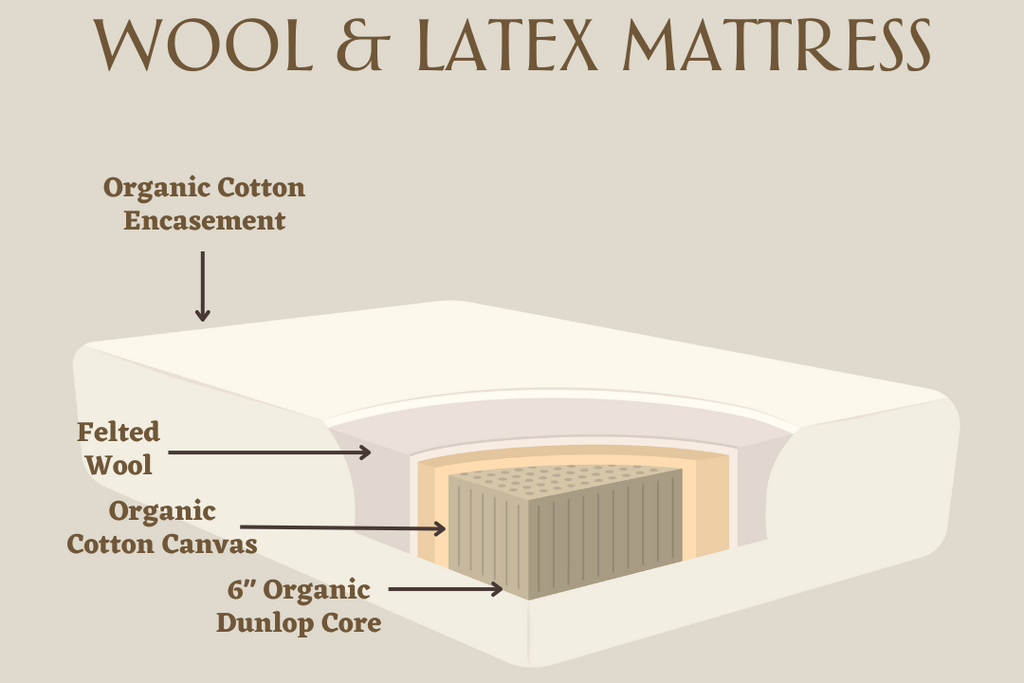
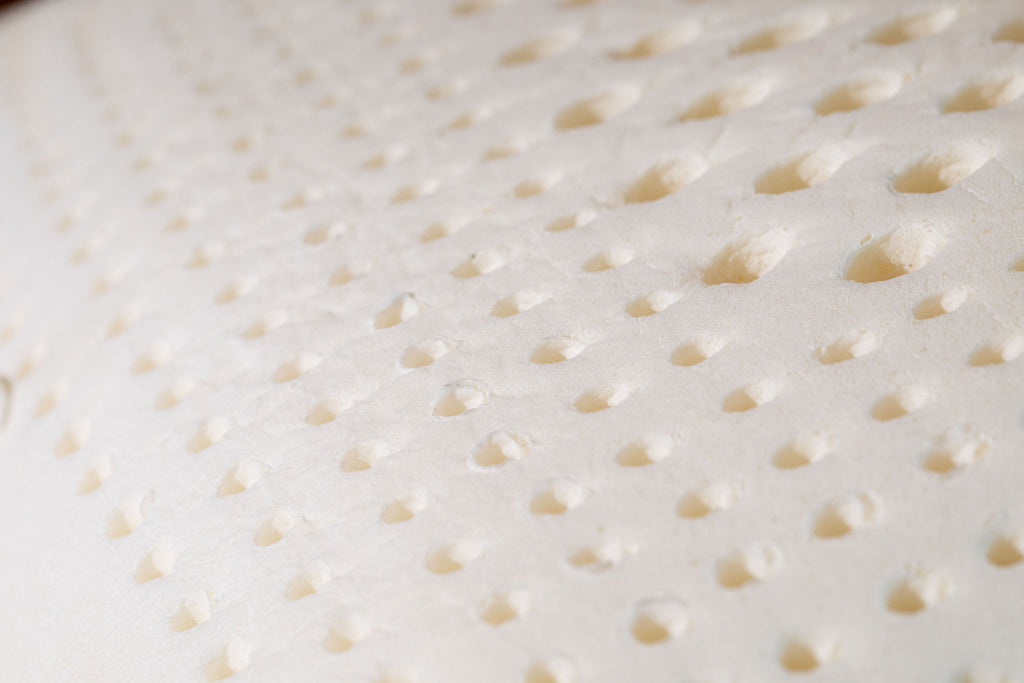
Natural latex is made from the sap of rubber trees, using a scoring process much like tapping a tree for maple syrup. Latex can be produced via either the Dunlop or the Talalay process, which is a bit more involved. Our mattresses use Dunlop Latex for the least processed material possible, and a more supportive and long-lasting mattress. Manufacturers may incorporate latex in the comfort layers of hybrid mattresses, latex mattress toppers, or even all-latex mattresses.
What is Memory Foam?
The main component of memory foam is a substance called polyurethane. Polyurethane is an incredibly common plastic polymer that can be used in furniture like mattresses or sofas, but also products like insulation, liquid paints, or car parts. Memory foam is created by adding various chemicals and additives to polyurethane. While different manufacturers add different chemicals to affect the feel of their product, most memory foam mattresses contain polyether polyol to give it the elastic feeling.
1) Cooling Properties: Latex Keeps it Cool
One common concern with memory foam is heat retention, leading to an uncomfortably warm sleep experience. Studies have shown that sleeping in cool temperatures is crucial to the quality of our sleep, so this has potential to harmfully affect not just your comfort, but general wellbeing. Latex, on the other hand, is naturally breathable and dissipates heat efficiently. This results in a cooler sleep surface, making latex mattresses an ideal choice for those who prioritize temperature regulation during sleep.
When you add a layer of wool around the latex like we do, it becomes even more temperature regulating, as the wool allows the mattress to actually wick moisture away from your body.
2) Environmental Impact: Latex's Green Advantage
For environmentally conscious consumers, latex shines as a sustainable choice. Harvested from renewable resources, latex mattresses have a much lower environmental impact compared to the manufacturing process of memory foam.
Latex also is much less harmful to the earth at the end of its life, as it will eventually degrade in a safe and environmentally-friendly manner. When memory foam mattresses end up in the landfill, they can take hundreds years to decompose, all while releasing harmful chemicals! Choosing latex contributes to a greener and more sustainable approach to bedding.
3) Better for Your Health: The Nature of Latex
Latex’s organic origin not only minimizes the impact on the planet, but also contributes to a healthier sleep environment. Natural latex is hypoallergenic and resistant to dust mites and other allergens, ensuring a clean and healthy sleep surface.
In turn, memory foam mattresses are notorious for their smell, or off-gassing. The term off-gassing refers to volatile organic compound (VOC) emissions. VOCs are a specific byproduct of the synthetic foam manufacturing process, which is why you may have strong odors from your memory foam mattress or topper when you first open them.
Off-gassing smells are unpleasant for most sleepers, but can be a real issue for some with pre-existing sensitivities. If you’re especially sensitive to scents, this may cause headaches, nausea, or dizziness. Individuals with respiratory issues such as asthma or allergies could also experience irritation of the airway and difficulty breathing, among other potential health effects.
4) Comfort: Memory Foam's Conformity vs. Latex's Responsiveness
Memory foam mattresses are renowned for their ability to contour to the body, providing a cradling effect. This has been one of the main draws to memory foam in recent years, but it is also known for giving a ‘stuck’ effect where it becomes too difficult to move from that position.
However, latex takes a different approach. Latex mattresses offer a responsive and buoyant feel, providing support without the sinking sensation associated with memory foam. This responsiveness promotes proper spinal alignment, reducing aches and pains. It allows for the pressure points like your shoulders and hips to sink in, but distributes the rest of your weight evenly, compared to letting it sink into one spot like with memory foam.
5) Durability: Latex Stands the Test of Time
Investing in a mattress is a long-term commitment, and durability is a key factor. Latex mattresses are known for their exceptional lifespan, outlasting many other mattress types. This is why we offer a 20 Year Warranty on ours! Memory foam, as a synthetic material, will compress and deteriorate over time. This especially rings true if you tend to sleep in the same spot each night. The natural resilience of latex ensures that it maintains its shape and support for years, offering a reliable and long-lasting sleep solution.
Conclusion: Making the Choice for a Superior Sleep
When looking at Latex vs. Memory Foam for mattresses, latex emerges as the superior option for those seeking a natural, responsive, durable, and environmentally friendly sleep solution. Consider the specific needs of your body and preferences when making your choice, and rest assured that latex mattresses offer a well-rounded and superior sleep experience.
Leave a comment
Comments will be approved before showing up.
Also in Blog


Sleep Awareness Month: What Science Says About Sleep and Your Health
Every March, National Sleep Awareness Month invites us to deepen our understanding of sleep. Let’s explore evidence-based sleep facts, why they matter, and how tuning into sleep health can enhance your life in both subtle and powerful ways.


Love Your Sleep: Why Quality Rest is the Ultimate Act of Self-Care
February is often associated with outward expressions of love through cards, gifts, and grand gestures. But one of the most meaningful ways to care for yourself and those you love doesn’t come wrapped in a box. It starts at night.


How Natural Bedding Supports Better Sleep in the New Year
As a new year begins, many of us look for ways to reset. One of the most powerful (and often overlooked) ways to support overall well-being is through better sleep.