
What Sustainability Really Means in the Bedding Industry


It's always a great time to pause and take a closer look at the everyday choices we make, especially the ones that quietly shape our health and the planet over time. Bedding is one of those choices.
We spend nearly a third of our lives in bed, yet few of us stop to consider how our mattresses, comforters, and pillows are made, where their materials come from, or what happens to them after years of use.
In the bedding industry, sustainability is a word that’s used often, but not always clearly defined. Understanding what it truly means can help consumers make more informed, thoughtful decisions that support both personal well-being and environmental responsibility.

At its core, sustainable bedding is about materials, processes, longevity, and accountability. It begins with what goes into a product, but it doesn’t end there.
Much of the conventional bedding industry relies heavily on synthetic materials derived from petroleum. These foams and fibers are inexpensive to produce, but they come with hidden costs. Synthetic bedding often traps heat and moisture, breaks down quickly, and contributes to long-term waste. Once discarded, these materials can take decades or longer to decompose, adding to growing landfill concerns.
In contrast, sustainable bedding prioritizes renewable, biodegradable materials that are designed to last. Natural fibers such as wool and cotton have been used for centuries because they perform well without requiring extensive chemical processing. They breathe, regulate temperature, and age gracefully over time. When sourced responsibly, these materials offer comfort without compromising environmental health.

Sustainability also extends to how products are made. In large-scale manufacturing, efficiency often comes at the expense of transparency. Long supply chains can obscure labor practices, environmental impact, and material sourcing. True sustainability requires visibility and intention at every step, from fiber selection to finished product.
At Holy Lamb Organics, sustainability is not treated as a trend or a marketing feature. It is woven into the foundation of how products are designed and made. The focus has always been on using natural, responsibly sourced materials and crafting bedding that supports both human health and environmental balance. Wool, a renewable and biodegradable fiber, plays a central role because of its durability, performance, and minimal environmental footprint when compared to synthetic alternatives.
Equally important is the emphasis on longevity. Bedding that lasts for years reduces the need for frequent replacement, which in turn reduces waste and resource consumption. Choosing durability over disposability is one of the simplest and most impactful ways to lessen environmental impact, and it’s a principle that guides every product made at Holy Lamb Organics.

Sustainability also shows up in smaller, quieter decisions. Producing in limited quantities helps avoid excess inventory and waste. Thoughtful construction ensures products can be maintained and refreshed rather than discarded. Even the way bedding is cared for over time becomes part of the sustainability story, as natural materials often require less intensive cleaning and fewer harsh chemicals.
It’s all about awareness, intention, and progress. No single purchase can solve environmental challenges, but each thoughtful choice contributes to a larger shift toward responsibility and care.
When you choose bedding made from natural materials, designed for longevity, and crafted with transparency, you are participating in a slower, more mindful approach to consumption. One that honors the connection between rest, health, and the planet we all share. Sustainability is not a one-time action. It’s a way of moving through the world as gently and consciously as possible, with care for what supports us night after night.
Dejar un comentario
Los comentarios se aprobarán antes de mostrarse.
Ver artículo completo
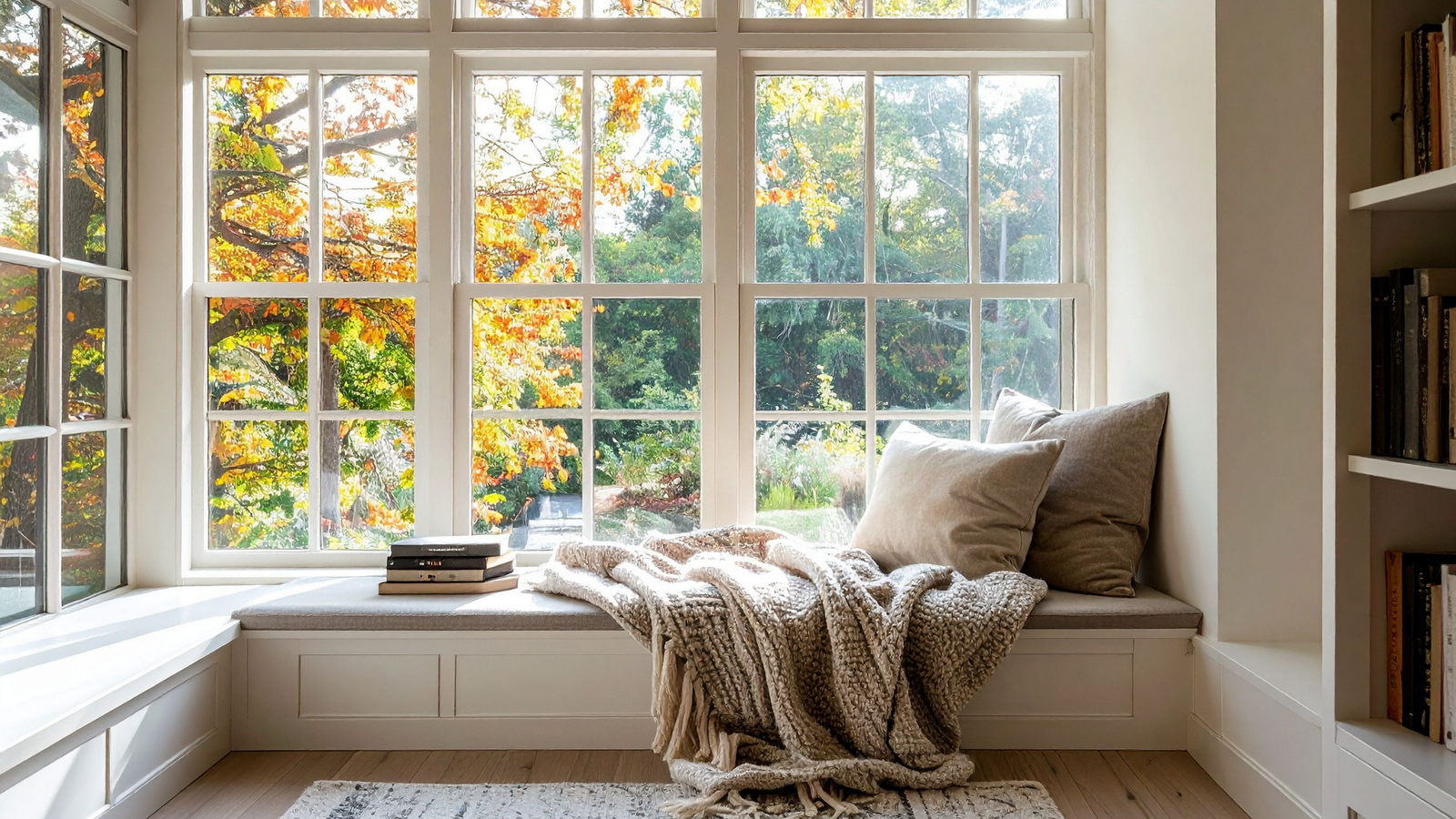

Cozy Up for Fall: Preparing Your Home and Bedding for Cooler Nights
As the days grow shorter and the evenings cooler, it’s the perfect time to think about creating warmth and comfort in your home. Small changes in your environment and bedding can make a big difference in how comfortable you feel as the seasons change.
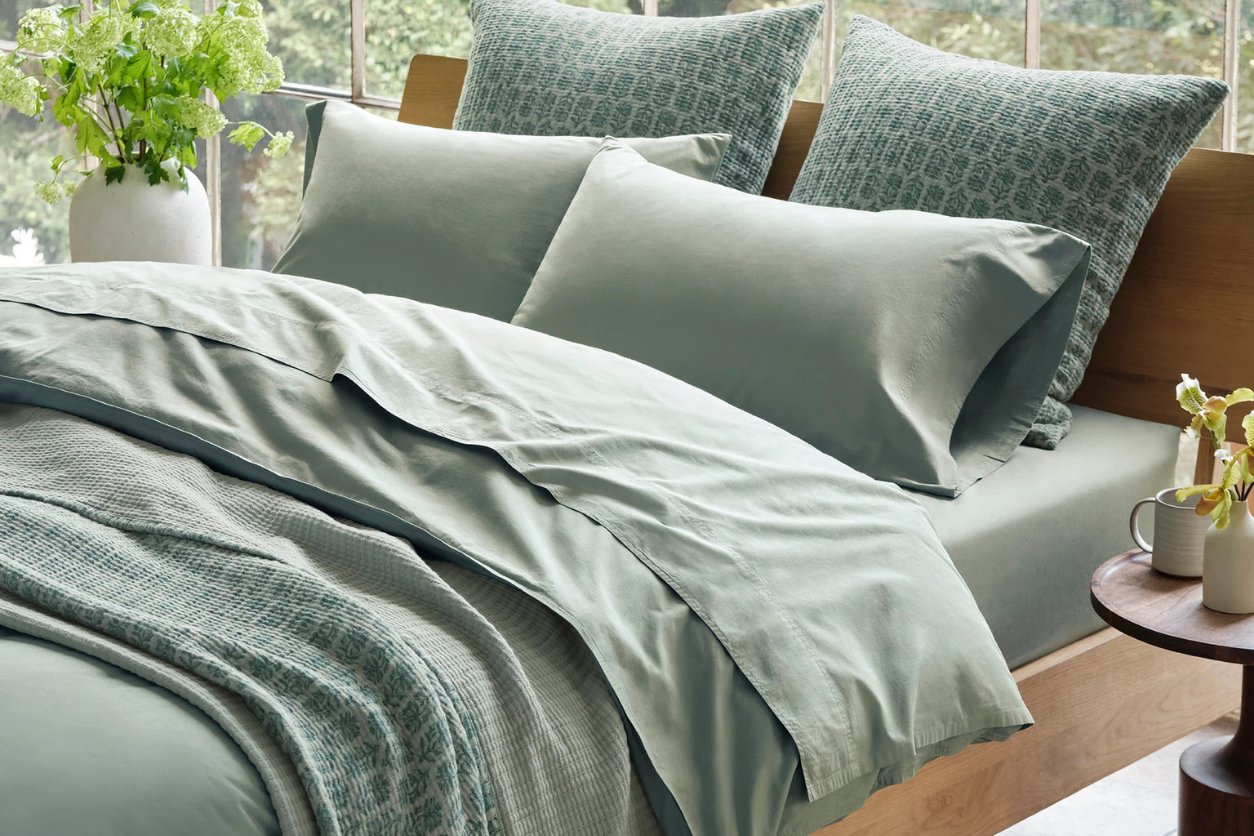

Finding Your Perfect Sheets for Year-Round Comfort
Picking sheets sounds simple until you're standing in front of four fabric options wondering what actually separates them. Percale, sateen, linen, flannel, they're not just different textures, they behave differently on your body overnight. The right pick depends less on thread count and more on how warm you sleep, what season it is, and how your bedroom holds temperature.


Sleep Anywhere This Summer: Travel Better, Rest Deeper
Travel season is officially here. Road trips, campsites, guest rooms, late nights, early mornings. While adventure fuels the spirit, it can quietly steal our sleep if we’re not prepared... But sleeping well on the go doesn’t have to be a compromise.